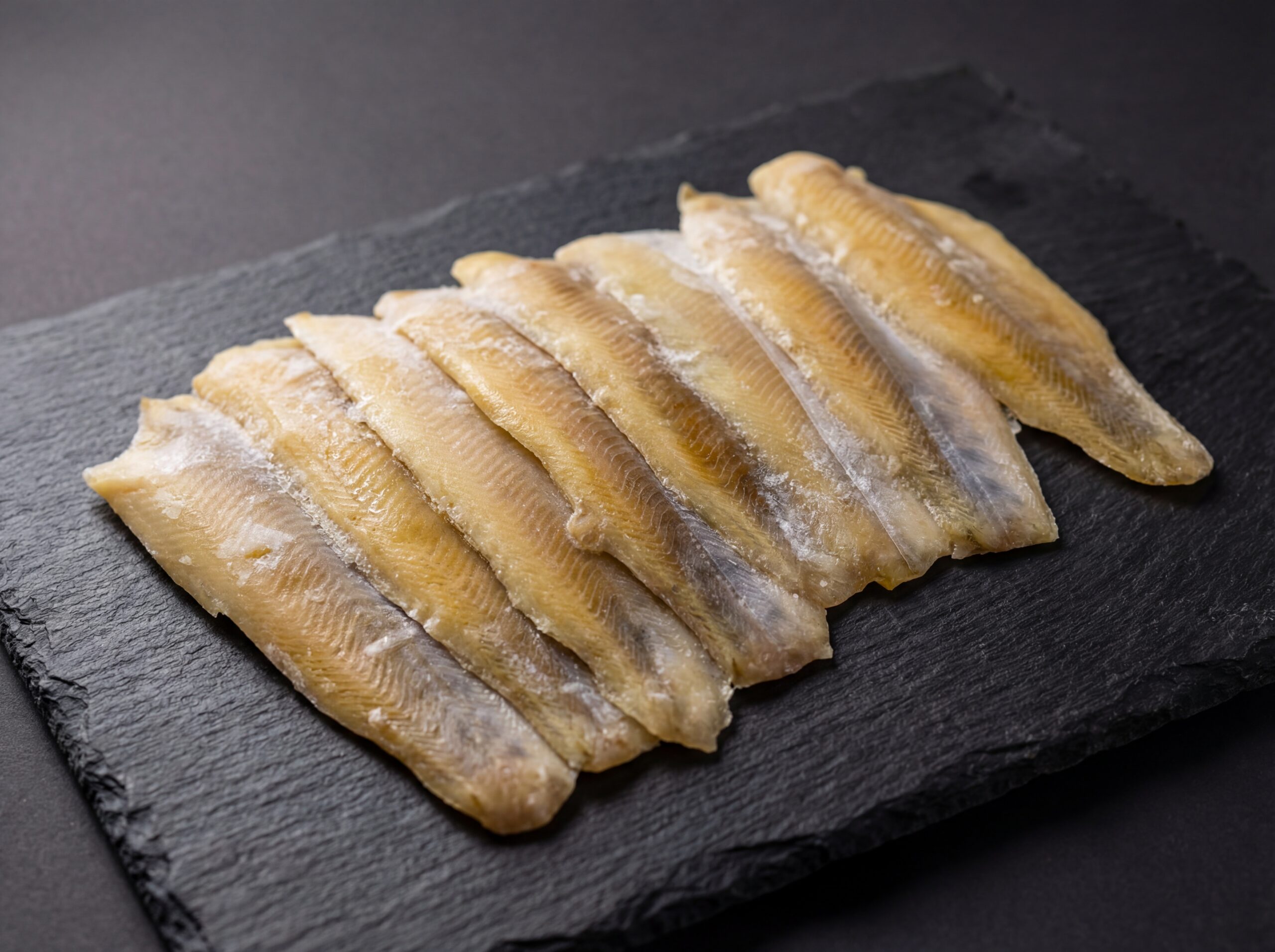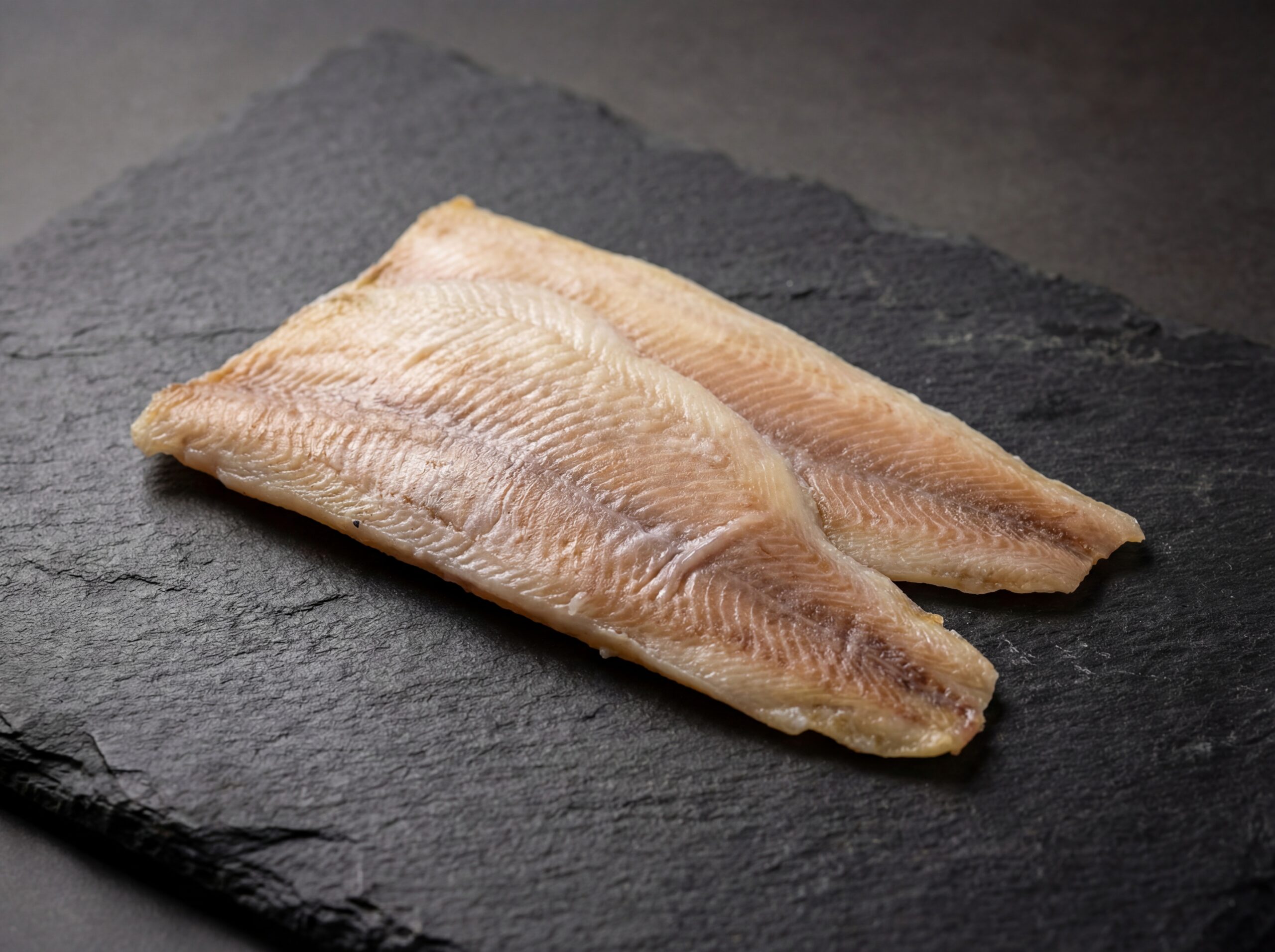
Smoked trout is a classic that is rarely missing from the menu of the better bistro, brasserie or hotel restaurant. Its popularity is easy to explain: the product combines a refined taste with a high level of acceptance among guests. However, in the professional chain from purchase to plate, there is a world of difference between an average smoked fish and a premium product worthy of a chef's signature. At Maravea, we understand that trout smoking is not a simple operation, but a precise process of time, temperature and top quality raw materials.
In this article, we dive into depth. We leave hobby smokers and s-hooks behind and focus on the professional smoking process, the biochemistry behind flavor development and the crucial trade-off for every entrepreneur: smoke yourself or work with a specialized partner. Our goal is to give you as a chef or buyer the tools to recognize quality and optimize your returns.
The biochemistry behind the smoking process
Transforming a raw trout into a golden brown delicacy is essentially a biochemical process. Whether hot or cold smoking, the basics always begin with the interaction between the fish muscles, salt and smoke components. Ignoring this science irrevocably leads to an inferior product with a dry texture or bitter aftertaste.
The importance of balanced brining
Brining is more than salting the fish. It is a process of osmosis and diffusion that modifies the cellular structure of the trout. In a professional environment, we do not work by feel, but with exact salt concentrations (degrees Baumé) and controlled times. The salt denatures the proteins, which helps the fish retain moisture during the smoking process. This is crucial for succulence.
In addition, salt acts as a transport medium for aromatics. Too short a curing time creates a bland core, while too long a time overshadows the delicate trout flavor. We strive for a balance where the salt content accentuates the natural sweetness of the trout without dominating it. This requires constant monitoring, something that is often difficult to ensure in a busy mise-en-place.
Drying and the formation of the pellicle
A common mistake in small-scale processing is to start smoking too soon. A wet fish does not absorb smoke, but forms an unattractive, acidic layer. For perfect results, the trout must first dry until a ‘pellicle’ forms: a sticky skin layer of dissolved proteins. This layer allows the smoke particles to adhere evenly and gives the trout its distinctive color and shine.
Quality smoked trout begins with science, not chance. We control the process, you control the perfection on the plate.
- Willem Visser
Hot versus cold smoking in gastronomy
As a professional, you make a conscious choice between hot and cold smoked trout, depending on the dish and desired texture. Both techniques require a completely different approach.
Hot smoking for classic preparations
In hot smoking, the fish is cooked and smoked simultaneously. The core temperature rises above 60 degrees Celsius, solidifying the proteins and giving the fish its characteristic flaky texture. The trick here is to control the cooking process so that the fish does not dry out. We use sophisticated climate cabinets in which humidity and temperature are controlled to the degree. This results in a trout fillet that is firm but melts on the tongue.
Cold smoking for delicate textures
Cold smoking takes place at temperatures below 25 degrees Celsius. The fish is not cooked, but preserved by the smoke and salt. The texture remains raw and silky smooth, similar to smoked salmon, but with the earthier notes of trout. This process takes considerably longer and involves higher food safety requirements (Listeria prevention). For the hospitality industry, cold smoked trout offers wonderful opportunities for appetizers and amuses where finesse is key.
Choosing the right wood blend
The fuel determines the flavor. In industry, cheap smoke moth or liquid smoke is often chosen, resulting in a flat, sometimes chemical flavor. Artisanal smoking requires real wood. We mostly prefer beech wood because of its mild, nutty smoke that does not push out the subtle flavor of trout. For specific batches, we can vary with oak for a more robust character or fruit wood for a sweeter touch. Smoke quality is determined by combustion temperature; incomplete combustion creates soot and PAHs (Polycyclic Aromatic Hydrocarbons), which we absolutely want to avoid in our final product.
Smoking yourself or buying in: the calculation
Many chefs toy with the idea of smoking trout themselves. It has a romantic, artisanal image. However, if we look at our services for professionals, we see that outsourcing often makes more economic sense. Let's list the factors:
- Labor costs: Cleaning, brining, drying, smoking and filleting trout is extremely labor intensive. At a time of staff shortages, employing a chef de partie for this process is costly.
- Consistency: A small smoker is sensitive to weather and temperature fluctuations. It is difficult to deliver the exact same quality day in and day out. We guarantee a uniform product, which is essential to your guest satisfaction.
- HACCP and Food Safety: Fish processing listens closely. The risks of cross-contamination or incorrect core temperatures are real. As a specialized processor, we have the right certifications and lab checks to take the worry off your hands.
- Loss: With in-house processing, you have to deal with cutting losses and waste. When purchasing trimmed fillets, you only pay for the net weight that ends up on the plate.
Check out our Offerings below
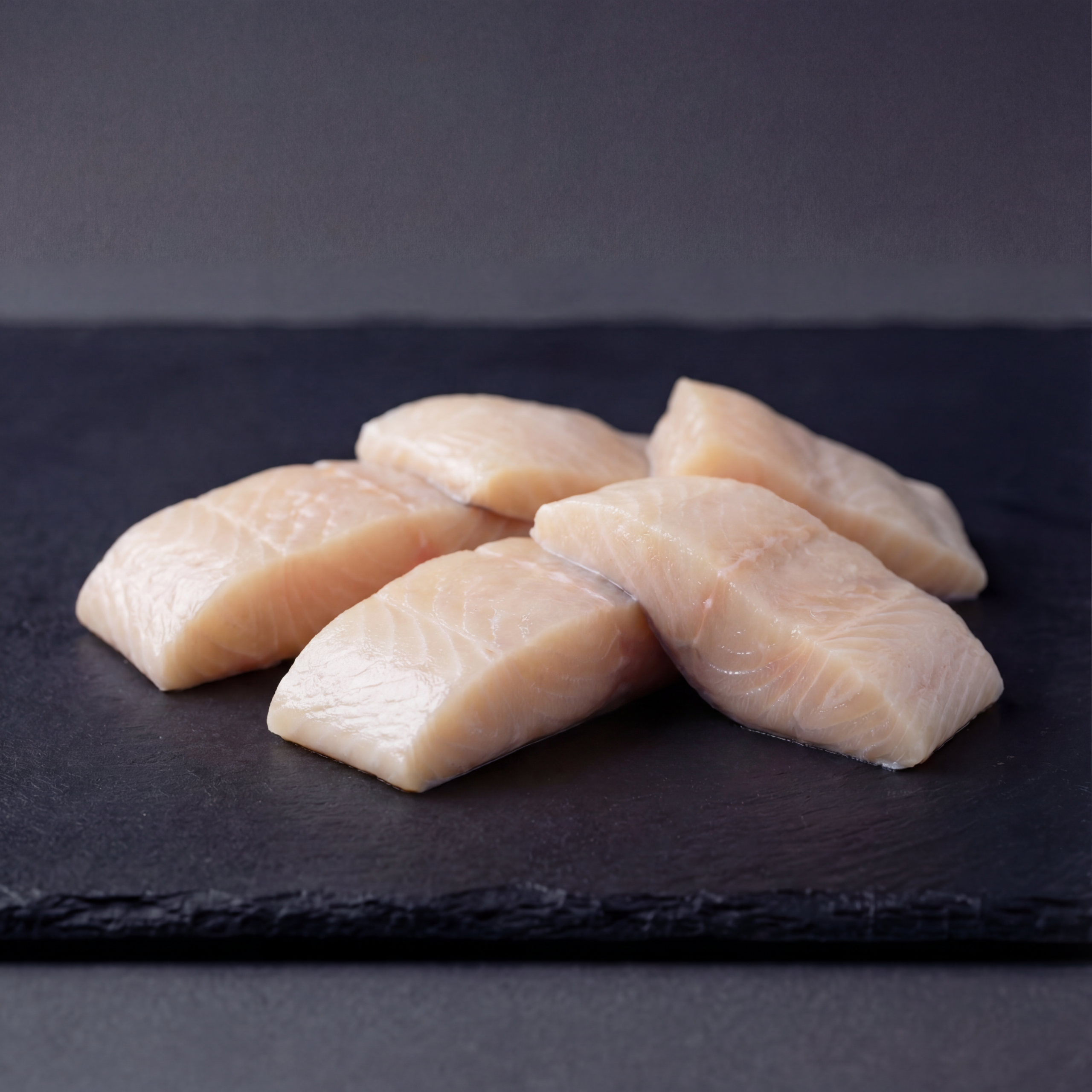
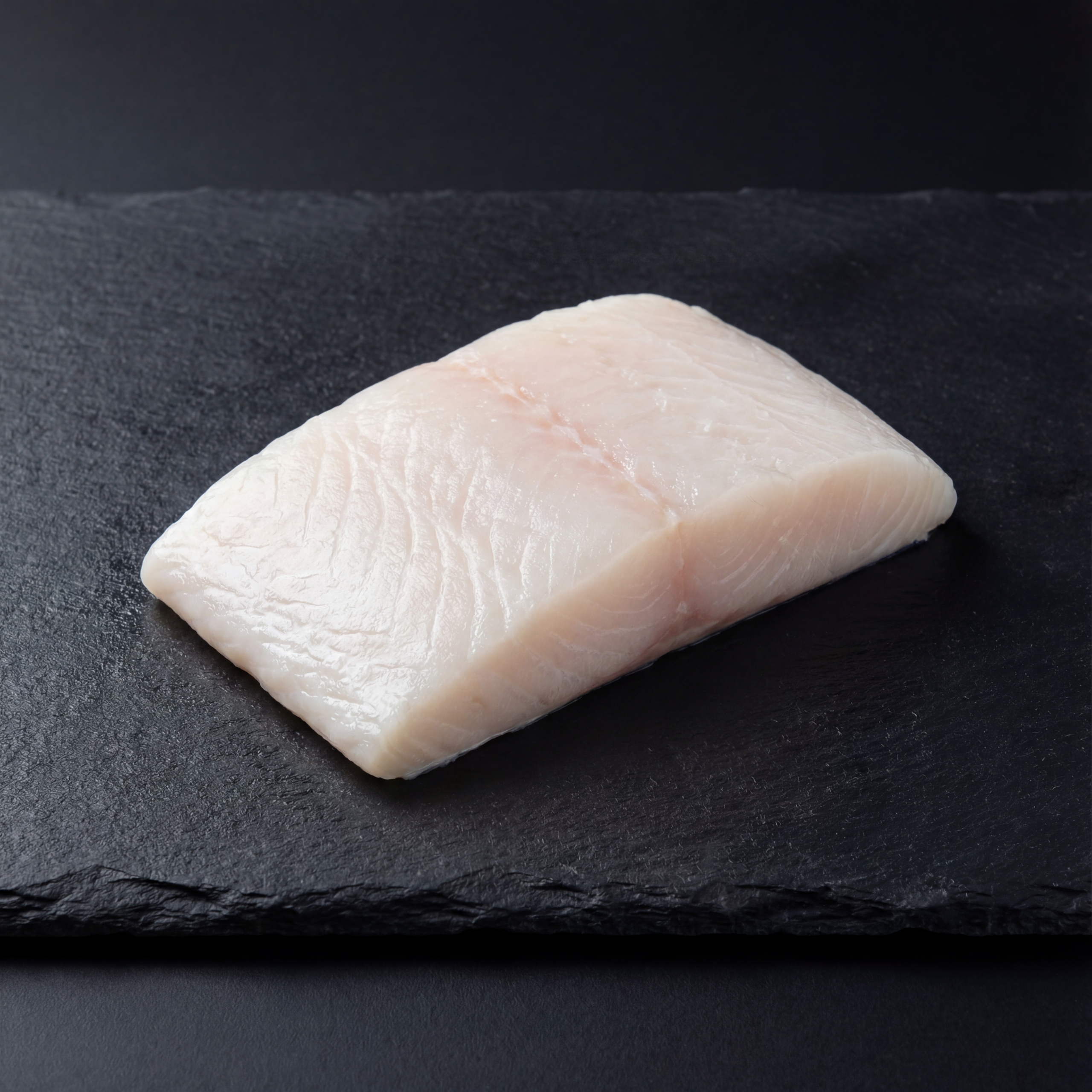
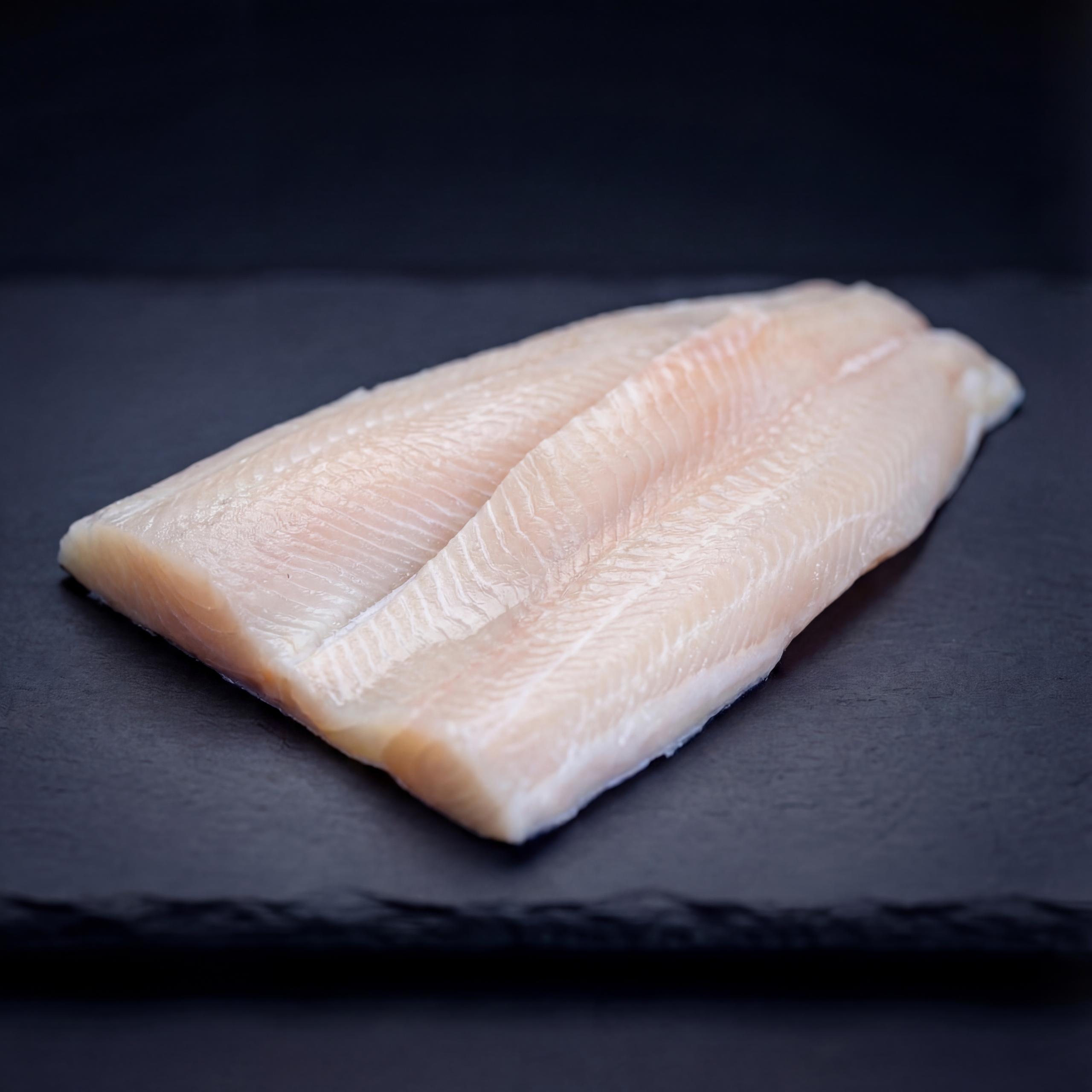
With Maravea Frozen, we supply high-quality smoked trout that meets the demands of modern foodservice.
Recognizing quality characteristics
As a buyer or chef, how do you assess the quality of smoked trout? There are some organoleptic properties you can look out for immediately upon arrival of the goods.
First, the visual inspection. The trout should be an even, golden yellow to copper color. Dark spots indicate sooting or uneven drying. The fillet should not have gaping cracks (‘gaping’), indicating poor condition of the raw fish or too rapid a rise in temperature during smoking.
The scent is also decisive. A good smoked trout smells fresh, with a distinct but pleasant wood smoke odor. A sour, sharp or heavy smell indicates a flaw in the smoking process or aging. Finally, the texture: it should be firm and springy, not mushy or dry.
Sustainability in the chain
Quality starts at the source. A trout can be smoked so well; if the fish was raised in stressful conditions or swam in polluted water, the end result will never be top-notch. We therefore place great importance on the origin. Our trout come from farms that work with pure spring water and respect for the fish's habitat. Not only will you taste this, it is also a story you can tell to your guests. You can read more about our vision of provenance on our page About Maravea.
Efficiency and applications
Smoked trout is a versatile product with an excellent yield. Because the flavor is intense, you need relatively less grammage per dish to make an impact. This makes it an interesting alternative to more expensive fish.
Think outside the box of the classic trout with horseradish. The smoky flavor pairs beautifully with earthy elements such as beet and celeriac, but also works surprisingly well in fresh preparations with green apple, fennel or citrus. For the lunch menu, an artisan trout fillet on sourdough bread offers a high-quality option that stands out from standard salmon. Curious about specific product specifications or want to request a sample? If so, feel free to contact our team. We are happy to help think about the right cut and package size for your kitchen via our contact page.
Conclusion: partner in quality
Trout smoking is a craft. It requires knowledge, patience and the right equipment to achieve consistent, high-quality results. For the professional market, Maravea offers the perfect balance between artisanal quality and the delivery security you need. We take the intensive process out of your hands, so you can concentrate on what you do best: surprising your guests with beautiful dishes.