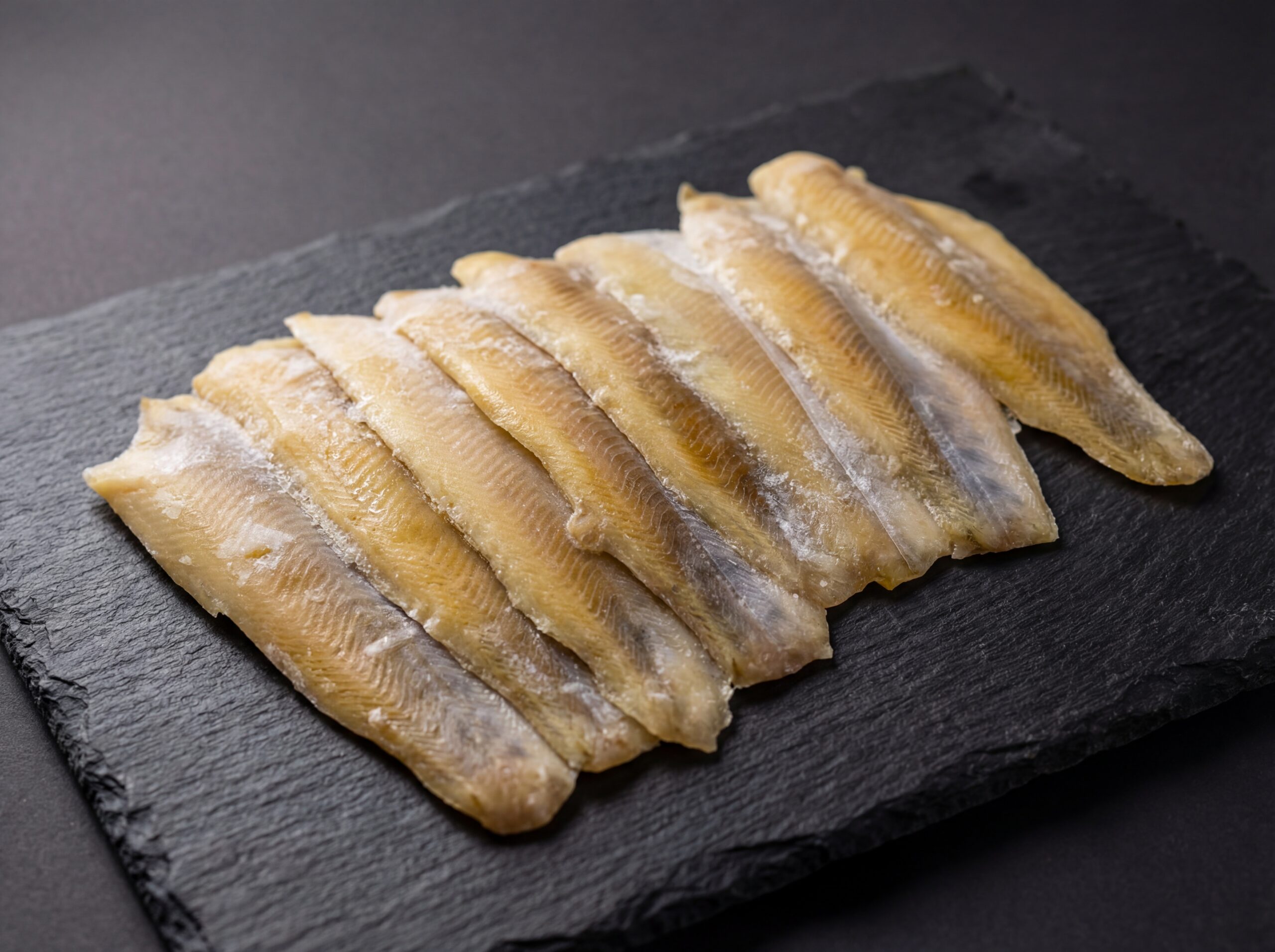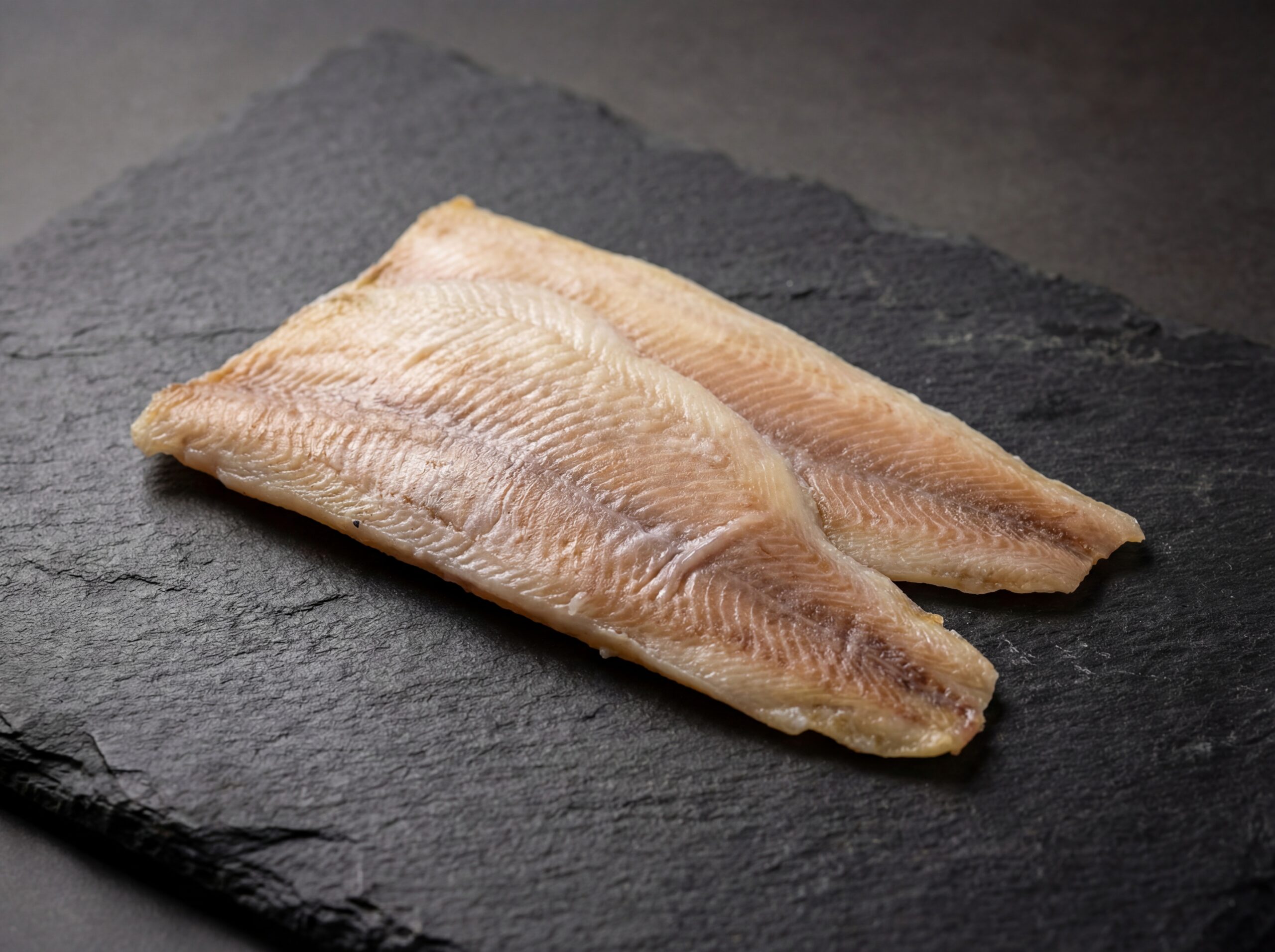
Anyone can hang a fish in the smokehouse. A hobbyist does it in a barrel in the backyard and calls it artisanal. But you are a professional. You know that “artisanal” in the hospitality or fish trade doesn't mean it should be inconsistent. Trout smoking is not a guessing game. It is a tight process of temperature control, salt balance and the right choice of wood.
We at Maravea have our feet in the clay - or rather, on the quay. Every day we see the difference between a quickly produced mass product and a trout that has been processed with attention. In this article, we take you through the real smoking process. That way, you'll know exactly what to look out for when buying, or what to consider when you get started yourself.
The basics: it starts with breeding
You can't smoke a bad fish well. Point. Many buyers only look at the price per pound, but forget about the fat content and texture of the fish. A trout that has grown too fast in stagnant water has soft flesh. If you smoke it, it will fall off the bone or become a mushy mess on your guest's plate.
We work exclusively with trout from running water. Those fish have had to swim. This ensures firm muscles and a better structure. Want to know more about how we guarantee our quality? Then take a look at our approach. A good smoked trout needs fat. Fat absorbs the smoke. Without fat, you have no flavor transport and you end up with a dry piece of cardboard.
The brining process: more than just salt water
Many manuals say, “throw some salt in a bucket and wait an hour.” That's nice for at home, but in a professional kitchen it's disastrous. Brining has two purposes:
- Flavor: The salt must penetrate to the core, not just sit on the skin.
- Structure: Salt extracts moisture and denatures proteins. This creates that specific, firm ‘bite’ of smoked fish.
In mass production, trout are often injected with brine. That's fast and cheap, because you sell water for the price of fish. We don't do that. We believe in traditional dry salting or slow wet pickling, depending on the final product. As a result, the fish loses moisture (weight), but gains tremendously in flavor and shelf life.
True smoked trout does not start at the smokehouse, but at the farm. Quality is our straight line, from water to plate.
- Willem Visser
Drying is more important than smoking
This is where it often goes wrong. You take the trout out of the brine and hang it directly in the smoke. Wrong: A wet fish does not absorb smoke. A wet fish is steamed, not smoked. The result is a pale, gray fish with a sour taste.
Before the smoke is added, the trout must dry. The skin should feel like parchment. In technical terms, we call this the formation of the ‘pellicle. This sticky layer allows the smoke particles to adhere to the fish. Only with a well-dried skin will you get that beautiful, golden yellow color your customers rave about. So make sure there is good air circulation before you start the smoke generator.
The smoking phase: wood selection and temperature
Trout is usually hot smoked. That means we cook and smoke the fish at the same time. The temperature is crucial here. If you go too high (above 80-90 degrees), the moisture in the fish boils and the skin cracks open. All the fat runs out and your product is ruined.
We keep the temperature under tight control. We cook slowly to a core temperature that ensures food safety (according to HACCP standards), but retains juiciness. For the real deep-diggers, we wrote an article on biochemistry and quality in smoking.
What wood are you using?
The type of wood determines the character. At Urk, we don't like fuss, but we do like taste.
- Beech: The standard. Gives a mild, neutral smoke flavor and a nice color.
- Oak: Heavier. Gives a deeper color and a more powerful flavor.
- Fruitwood: Imparts a sweetness, but is often too subtle for great production.
We use a specific blend that provides that recognizable, robust flavor that suits Maravea. No liquid smoke from a bottle, but real chips and moth.
Check out our Offerings below
With Maravea Frozen, we supply high-quality smoked trout that meets the demands of modern foodservice.
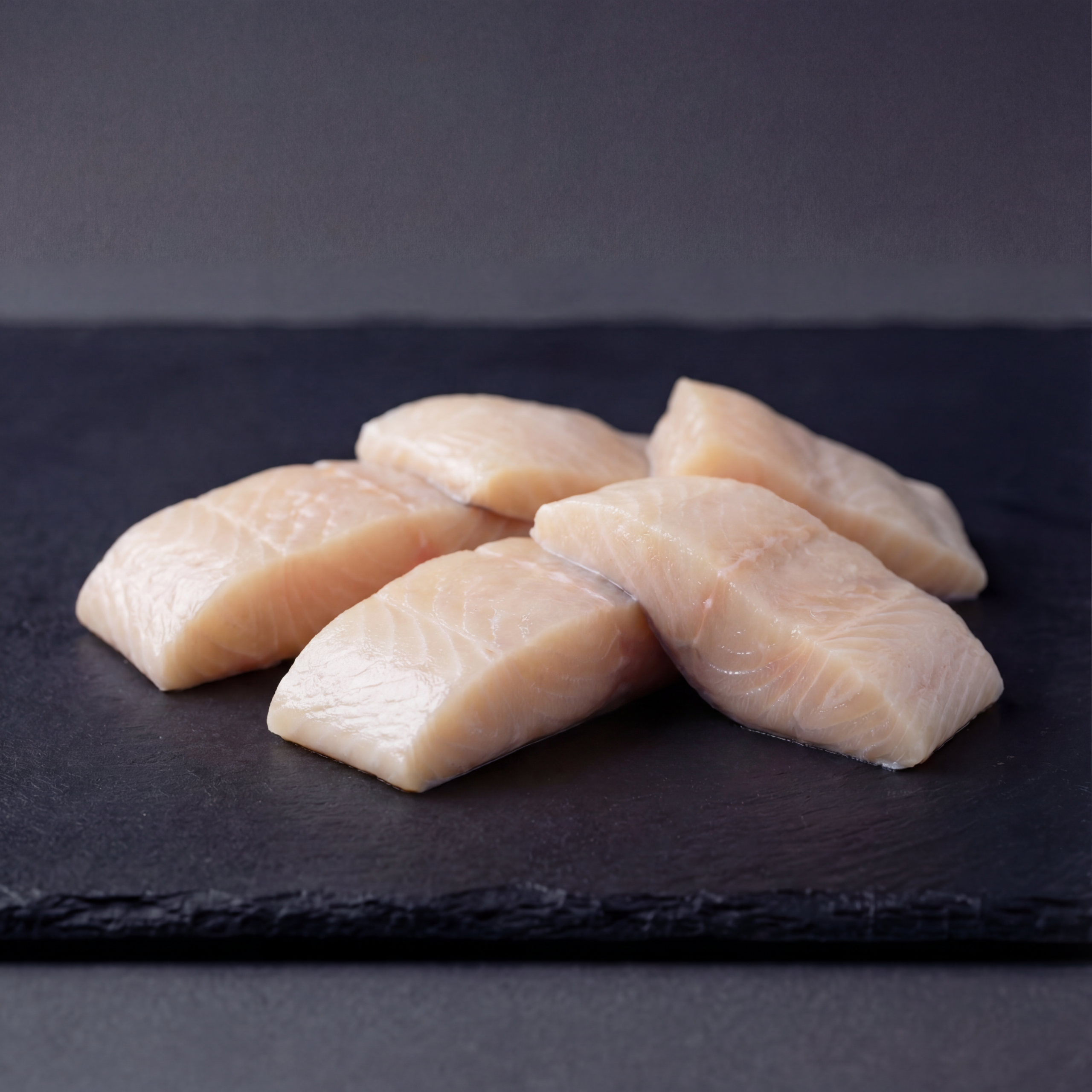
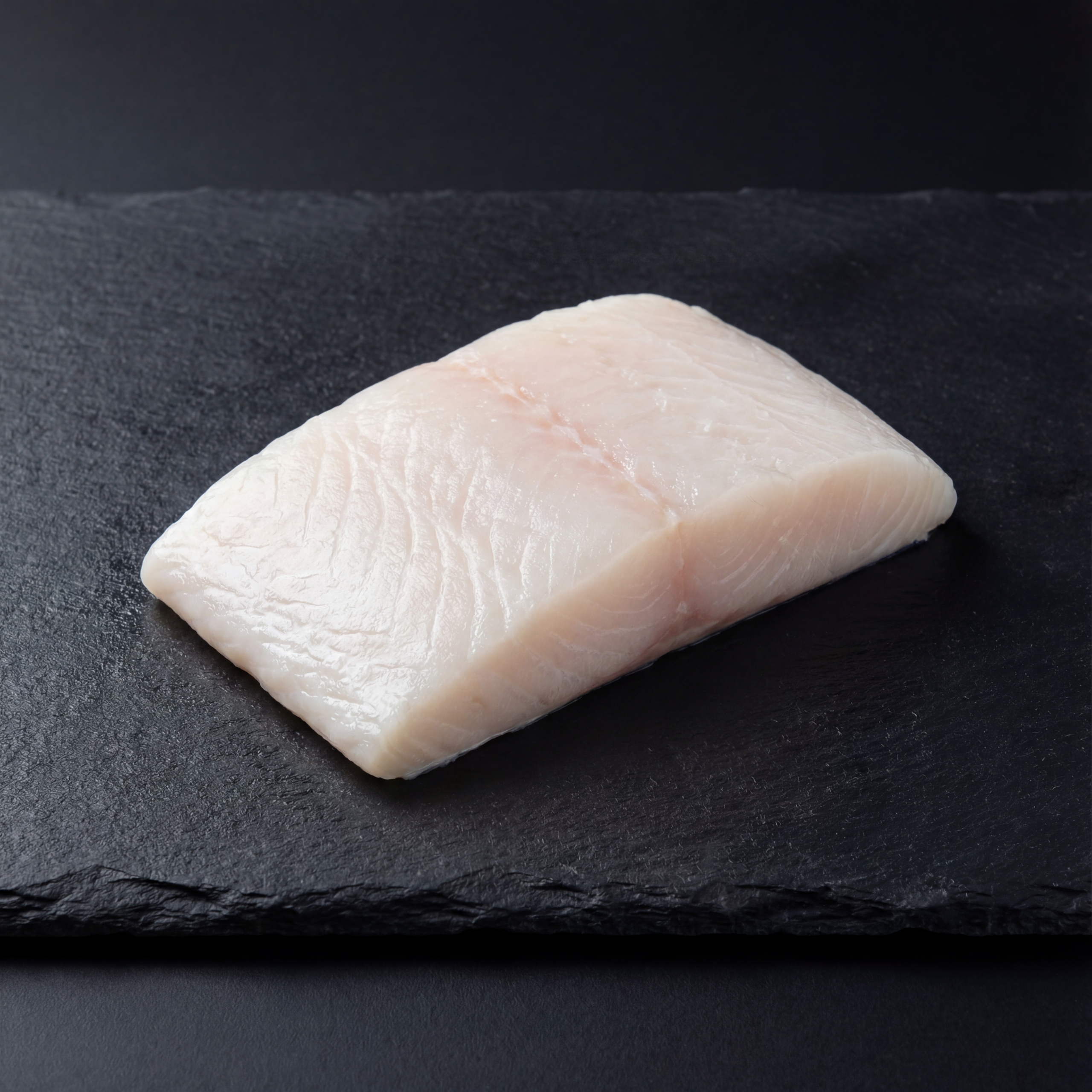
Do it yourself or buy in?
As a chef, you are faced with the choice: do I make it myself or buy it in? Smoking it yourself is wonderful. It adds perception to your business. But be honest with yourself about the hidden costs:
- Labor: Cleaning, brining, drying, smoking and cleaning again takes hours.
- Consistency: Do you manage to deliver the same quality on a busy Saturday night as you do on a quiet Tuesday?
- Space: A good fume hood takes up space and should be under an extractor.
Many of our customers started out smoking themselves, but came back for the stability of our deliveries. We take that labor-intensive process out of your hands. You get a trout that is always perfectly brined, dried and smoked. You can get right on with your mise-en-place.
Rate quality
So how do you recognize a good smoked trout when you open the box? Pay attention to these points:
- The eyes: Should not be completely sunken or cloudy gray (although smoking does give this effect something, it should look fresh).
- Skin: Should be golden yellow to golden brown, and most importantly, whole. No cracks.
- The smell: You have to smell wood and fish. Not an acidic or chemical smell.
- The meat: Should come off the bone easily, but be firm. It should not spread out like pâté (unless you make mousse, of course).
Are you looking for a supplier who speaks your language and doesn't sell nonsense? Then feel free to contact us. We will gladly send you a sample so you can taste the difference for yourself. At Maravea, we go for long-term relationships based on quality and trust.